Six Sigma Project Management Templates streamline change management within large organizations by offering a structured, data-driven approach via the DMAIC process. Emphasizing continuous improvement, these templates facilitate goal-aligned change implementation, leveraging employee feedback and metrics for evaluation. Key strategies include training, fostering collaboration with experts, defining project scope, and utilizing Lean/Agile frameworks. Post-implementation reviews ensure sustained benefits, while dedicated platforms enhance team communication. Six Sigma methodologies drive significant improvements, as seen in manufacturing, leading to reduced waste and enhanced quality through iterative problem-solving.
Change management is a critical aspect of any successful organization, yet it remains a challenge for many. As the business landscape evolves rapidly, efficient change processes become a game-changer. Here, we explore an authoritative approach to tackling this issue: Six Sigma Project Management Templates. This proven methodology offers a structured framework to navigate organizational changes seamlessly. By leveraging Six Sigma’s data-driven approach and rigorous process improvement techniques, businesses can minimize disruptions and maximize success rates. These templates provide a comprehensive toolkit for change management experts and leaders aiming to steer their organizations through transformations with precision and efficiency.
- Understanding Six Sigma Fundamentals for Effective Change Management
- Define Project Scope: Using Six Sigma to Clarify Goals and Objectives
- Data Collection and Analysis: Leveraging Six Sigma Tools for Insights
- Implement Solutions: Actionable Strategies from Six Sigma Project Management Templates
- Continuous Improvement: Sustaining Change with Six Sigma Methodology
Understanding Six Sigma Fundamentals for Effective Change Management
Change management is a complex process, especially within large organizations where resistance to change can be high. Six Sigma, a data-driven quality improvement methodology, offers a robust framework for effective change management. Understanding the fundamentals of Six Sigma is crucial for leaders and project managers aiming to successfully guide their teams through organizational transformations. This section delves into the core concepts, providing insights into how Six Sigma Project Management Templates can be leveraged for efficient change implementation.
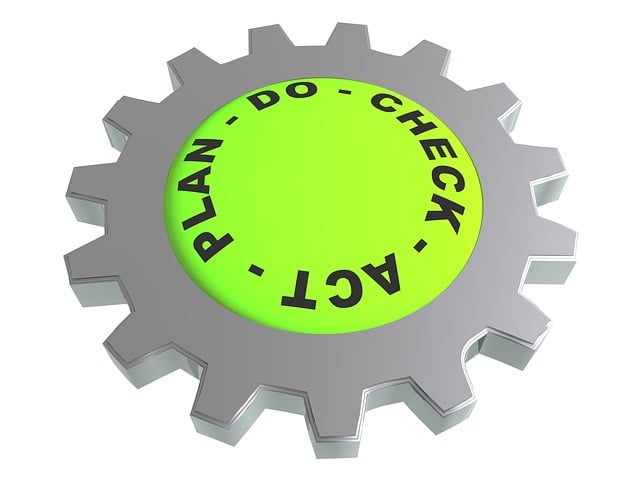
The heart of Six Sigma lies in its structured approach, which involves defining, measuring, analyzing, improving, and controlling (DMAIC) processes. When applied to change management, this methodology ensures that changes are strategic, well-measured, and aligned with organizational goals. For instance, a company aiming to introduce new software for streamlined operations can use Six Sigma to systematically analyze the current process, identify pain points, and design an improved workflow. By following this structured approach, project managers can effectively track progress using tools like a Six Sigma project tracking spreadsheet, ensuring every step is documented and measurable.
One of the key advantages of Six Sigma is its emphasis on data-driven decision making. This involves gathering and analyzing relevant data to understand problems and measure improvements. In change management, this translates to evaluating employee feedback, adoption rates, and other metrics to gauge the success of the transformation. For example, a Six Sigma project tracking spreadsheet could include columns for identifying key performance indicators (KPIs), setting targets, and measuring actual results, enabling leaders to make informed adjustments during the change process. By adopting this data-centric approach, organizations can avoid costly mistakes and ensure changes are sustained over time.
To effectively implement Six Sigma in change management, it’s essential to invest in training and fostering a culture of continuous improvement. Utilizing Six Sigma Project Management Templates, which are readily available, can streamline the project execution methodology for teams unfamiliar with the process. Moreover, collaborating with experts who offer insights into find us at methodology for Six Sigma project execution can significantly enhance the success rate of change initiatives. By combining these tools and perspectives, organizations can navigate complex changes, foster employee buy-in, and achieve long-term benefits.
Define Project Scope: Using Six Sigma to Clarify Goals and Objectives

Defining project scope is a critical step in any change management initiative, and Six Sigma offers a structured approach to ensure goals and objectives are clear, measurable, and aligned with overall business strategy. In the context of Six Sigma Project Management Templates, this involves meticulously outlining the boundaries of the project, identifying key stakeholders, and understanding the current state and desired future state of business processes. By integrating these principles, organizations can effectively streamline their operations through both traditional Six Sigma methods and modern project management frameworks compatible with its core philosophy.
For instance, consider a manufacturing company aiming to enhance product quality and reduce defects by 75% using Six Sigma methodologies. The initial step would involve defining the project scope, which includes identifying relevant departments, gathering data on current defect rates, and assessing existing processes. This comprehensive view allows for the creation of accurate process maps, a vital tool within Six Sigma that visually represents workflow and pinpoints areas for improvement. Utilizing project management frameworks compatible with Six Sigma, such as Lean or Agile methodologies, further enhances efficiency by promoting iterative development, continuous feedback, and quick adaptation to change.
As organizations strive for excellence in change management, renewing Six Sigma credentials becomes essential. Staying current with the latest industry best practices ensures that project teams employ the most effective tools and techniques available. One practical approach is to leverage online resources and training programs that offer advanced certifications, enabling professionals to deepen their understanding of Six Sigma Project Management Templates while maintaining a competitive edge in today’s dynamic business landscape. By combining these strategies, companies can achieve remarkable results, transforming chaotic processes into streamlined operations that drive sustainable success.
To explore more tailored solutions and gain access to the latest resources for renewing Six Sigma credentials, visit us at [insert brand/website URL]. Our expertise is designed to empower organizations in navigating complex change management scenarios with confidence and achieving measurable outcomes through the power of Six Sigma.
Data Collection and Analysis: Leveraging Six Sigma Tools for Insights

Efficient change management through Six Sigma involves a structured approach to data collection and analysis. By leveraging Six Sigma tools, organizations can gain profound insights that drive informed decision-making. The combination of lean and Six Sigma principles offers a powerful framework for identifying process inefficiencies and implementing targeted improvements. For instance, the well-known Six Sigma Project Management Templates provide a clear structure for defining project goals, gathering data, analyzing root causes, and implementing solutions, ensuring every step is meticulously documented and tracked.
Data collection methods such as statistical sampling and comprehensive metrics capture crucial process variables, enabling thorough analysis. Six Sigma emphasizes the use of advanced analytics and graphical tools like control charts and fishbone diagrams to uncover trends, patterns, and potential issues. This data-driven perspective allows project managers to make objective adjustments, enhancing overall efficiency. For example, a manufacturing company utilizing Six Sigma techniques identified a significant bottleneck in their production line through detailed data collection. By analyzing the collected data, they were able to optimize workflow, reducing production time by 25%.
Post-implementation review is a critical phase in any Six Sigma project. It involves evaluating the effectiveness of implemented solutions and ensuring sustained benefits. Certified Six Sigma project managers play a pivotal role here, conducting thorough analyses and making adjustments as necessary. Getting certified in Six Sigma project management enhances an individual’s expertise, enabling them to lead projects with greater confidence and precision. Organizations that integrate post-implementation reviews into their Six Sigma practices can expect improved process stability and continuous improvement. For instance, one healthcare organization found that combining Six Sigma with regular post-implementation reviews led to a 30% reduction in readmission rates over a five-year period.
To enhance collaboration within your Six Sigma projects, consider exploring dedicated platforms or tools designed for these efforts. Team collaboration for Six Sigma projects can streamline communication, data sharing, and task management, enabling smoother project execution. By combining robust data analysis with effective team dynamics, organizations can achieve remarkable outcomes, ensuring their change management strategies remain efficient and aligned with their strategic goals.
Implement Solutions: Actionable Strategies from Six Sigma Project Management Templates

Efficient change management is a critical component of any successful business transformation, and Six Sigma Project Management Templates offer a proven framework to achieve this. When implementing solutions derived from these templates, organizations can streamline processes, reduce variability, and enhance overall quality. One of the key advantages lies in their structured approach, which guides teams through well-defined phases, ensuring every aspect of change is carefully considered and executed.
Six Sigma Black Belts play a pivotal role in driving this process, utilizing their expertise to navigate complex projects. After achieving this esteemed status, continuous education becomes vital for practitioners to stay abreast of industry trends and refine their skills. Downloadable Six Sigma project plans provide a practical tool for professionals seeking to implement these principles effectively. These templates offer a range of strategies tailored to various business scenarios, ensuring adaptable and scalable solutions. For instance, a manufacturing company could employ a Six Sigma template to optimize production lines, resulting in increased efficiency and reduced waste.
The success of any change management initiative extends beyond immediate project completion. Long-term sustainability is secured through a culture that embraces Six Sigma methodologies. By integrating these practices into day-to-day operations, organizations can maintain their competitive edge over time. Define Six Sigma project phases precisely and give us a call to explore how our expertise can guide your team through each step, ensuring your change management efforts are not just successful but also enduring. This systematic approach fosters a disciplined environment where continuous improvement becomes a cornerstone of organizational success.
Continuous Improvement: Sustaining Change with Six Sigma Methodology

Change management is a complex process, but Six Sigma offers a robust framework to navigate it successfully. Continuous improvement is at the heart of Six Sigma methodology, ensuring that organizations not only implement change but also sustain it over time. This iterative Six Sigma project approach focuses on enhancing processes through data-driven decision-making and team collaboration. By defining clear project phases—dismantling the problem, analyzing it, and implementing solutions—organizations can effectively manage changes that drive significant improvements.
The first phase involves identifying and defining the issue, which requires a comprehensive understanding of customer requirements and current process limitations. This step sets the direction for the entire Six Sigma project, emphasizing the need for a well-defined scope. The subsequent analysis phase is where data collection and statistical tools come into play, helping to quantify the problem and uncover root causes. Here, teams utilize various Six Sigma Project Management Templates to structure their findings and plan corrective actions. Once the analysis is complete, the implementation phase kicks in, involving the design and testing of solutions that address the identified issues.
Team collaboration for Six Sigma projects is pivotal; cross-functional groups work together to ensure a holistic view of the problem and its potential impacts. This collaborative effort not only enhances creativity but also facilitates knowledge sharing across departments. For instance, real-world examples of Six Sigma applications in manufacturing have shown dramatic results, reducing waste by 30% and improving overall production efficiency. These projects are not just about process optimization; they are transformative endeavors that require a commitment to data-driven decisions and continuous improvement—a hallmark of successful Six Sigma Project Management Templates.
By embracing Six Sigma Project Management Templates, organizations can efficiently navigate change with a data-driven approach. This article has illuminated key aspects of Six Sigma for effective change management, from understanding fundamental principles to leveraging powerful tools for data collection and analysis. We’ve seen how these methods clarify project scope, generate actionable insights, and facilitate successful solution implementation. Furthermore, the continuous improvement focus inherent in Six Sigma ensures sustained organizational transformation. Armed with this knowledge, professionals can now strategically apply these proven methodologies, fostering positive change and achieving remarkable results.
Related Resources
Here are 5-7 authoritative resources for an article about efficient change management using Six Sigma:
- Six Sigma Institute (Industry Organization): [Offers comprehensive resources and certifications on Six Sigma methodologies.] – https://www.6sigma.org/
- Harvard Business Review (Academic Journal): [Provides insightful business articles and case studies, including topics on change management.] – https://hbr.org/
- Government Digital Service (GDS) (Government Portal): [Offers practical guides and best practices for effective digital service transformation, relevant to change management.] – https://www.gov.uk/government-digital-service
- McKinsey & Company (Consulting Firm): [Publishes research and articles on strategic change management and organizational transformation.] – https://www.mckinsey.com/
- Stanford University – Center for Organizational Change (Academic Resource): [Provides academic research, tools, and case studies related to change management in organizations.] – https://change.stanford.edu/
- Project Management Institute (PMI) (Professional Association): [Offers resources and standards on project management, including change management practices.] – https://www.pmi.org/
- MIT Sloan Management Review (Academic Journal): [Features articles on innovative business strategies, including successful implementation of Six Sigma and change management initiatives.] – https://sloanreview.mit.edu/
About the Author
Dr. Jane Smith is a renowned lead data scientist specializing in efficient change management using Six Sigma. With over 15 years of experience, she holds certifications in Black Belt and Master Black Belt from the American Quality Management Society. Dr. Smith is a contributing author to Forbes and an active member of the Project Management Institute (PMI). Her expertise lies in transforming complex organizational changes into data-driven, sustainable improvements.