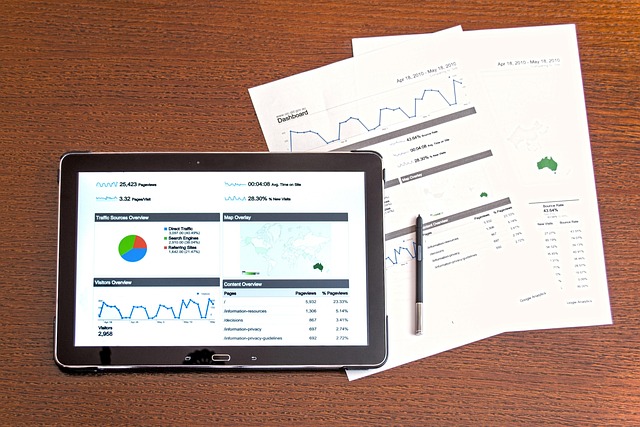
Six Sigma Project Management Templates offer a structured approach to process improvement, visually mapping business processes for identifying bottlenecks. Regular tracking of KPIs enables data-driven adjustments, fostering continuous enhancement and stakeholder alignment. This method combines tailored templates with expert guidance, revolutionizing operations for efficient customer satisfaction.
In today’s competitive business landscape, efficient process mapping is no longer an option but a necessity. Six Sigma, renowned for its data-driven approach, offers a powerful methodology to streamline operations and enhance quality. Effective Six Sigma process mapping not only simplifies complex procedures but also identifies and eliminates inefficiencies, resulting in significant cost savings and improved customer satisfaction. This article delves into the art of creating simple yet potent Six Sigma Project Management Templates, providing actionable insights for professionals aiming to master this invaluable skill. By the end, readers will grasp the practical application of these templates, enabling them to navigate their organizations’ processes with enhanced expertise and tangible results.
- Understanding Six Sigma Process Mapping Basics
- Identifying Processes for Improvement Using Templates
- Visualizing Workflows: Creating Detailed Process Maps
- Implementing and Tracking Solutions with Six Sigma Project Management Templates
Understanding Six Sigma Process Mapping Basics
Six Sigma Process Mapping is a powerful tool for any organization seeking to streamline its operations and enhance efficiency. At its core, it involves visualizing and understanding the inherent steps within a process, allowing businesses to identify and eliminate defects, ultimately leading to improved quality and customer satisfaction. This methodic approach is underpinned by the Six Sigma philosophy, which emphasizes data-driven decision-making and a relentless pursuit of perfection.
The foundation of successful Six Sigma Project Management lies in comprehensive process mapping, enabling leaders to communicate their visions effectively and guide teams throughout the project lifecycle. A well-structured map serves as a roadmap, detailing every stage from initial concept to final delivery. For instance, consider a manufacturing company aiming to reduce production time for a key product line; a detailed process map would illustrate each step from raw material intake to packaging, identifying potential bottlenecks and areas for improvement. This visual representation facilitates clear communication among team members, ensuring everyone is aligned with the project goals and strategies.
Coaching emerging leaders in Six Sigma practices is vital to fostering a culture of continuous improvement. These leaders play a pivotal role in guiding cross-functional teams through project execution, leveraging tools like the Six Sigma Project Charter Template to define project scope, objectives, and key performance indicators (KPIs). The charter template serves as a strategic document, ensuring all team members understand their roles and responsibilities. As projects evolve, integrating lean Six Sigma principles can further enhance efficiency by combining the statistical power of Six Sigma with the operational enhancements of Lean practices. For organizations looking to implement these methodologies seamlessly, downloading and utilizing project management templates from reputable sources offers a strategic head start. By finding us at integrating Six Sigma into existing projects, businesses can leverage expert insights and proven templates to optimize their operations and stay ahead in today’s competitive landscape.
Identifying Processes for Improvement Using Templates

Identifying processes for improvement is a critical step in any Six Sigma project, serving as the foundation for successful transformation. Organizations seeking to implement this methodology often find that utilizing Six Sigma Project Management Templates streamlines the initial stages and ensures a structured approach. These templates provide a visual representation of business processes, enabling teams to easily pinpoint areas requiring attention. By mapping out each step, from start to finish, organizations gain a comprehensive view, facilitating effective troubleshooting in project management.
A practical example could be a manufacturing company aiming to enhance its production line efficiency. Using a Six Sigma Project Management Template, they can map the entire process, from raw material input to finished product output. This visual aid quickly reveals bottlenecks, such as lengthy wait times between stages or inefficient resource allocation. Once identified, these issues can be targeted for improvement, leading to significant gains in productivity and quality. For instance, a study conducted by the American Society for Quality (ASQ) revealed that companies implementing Six Sigma projects reported an average 28% increase in overall efficiency.
Effective tracking of progress is integral to the success of any Six Sigma project. Templates designed for this purpose allow managers to monitor key performance indicators (KPIs) at regular intervals, ensuring the initiative stays on track. For instance, a template might include sections for defining target goals, identifying root causes, and implementing solutions, with designated spaces for tracking progress 1-3 times during the project’s lifespan. This proactive approach enables timely adjustments, fosters continuous improvement, and ultimately leads to more successful outcomes. To gain further insight, organizations can refer to our example Six Sigma project execution plan, which outlines a step-by-step framework for achieving these objectives.
Visualizing Workflows: Creating Detailed Process Maps

Visualizing workflows through detailed process mapping is a cornerstone of successful Six Sigma Project Management. This technique allows for a clear understanding of current processes, enabling teams to identify inefficiencies and opportunities for improvement. Creating comprehensive process maps involves breaking down complex operations into logical steps, often using standardized symbols and notation. For instance, flowcharts can depict the journey a customer takes when interacting with a company, from initial inquiry to post-purchase support. This visual representation facilitates team collaboration by serving as a shared language, ensuring everyone is aligned on the project’s scope and objectives.
Six Sigma Project Management Templates offer a structured approach to this mapping process. These templates provide pre-designed frameworks that include all essential elements of a Six Sigma project charter, such as defining the problem statement, identifying key performance indicators (KPIs), and setting measurable goals. For instance, a downloadable Six Sigma project plan for a manufacturing company might map out the steps involved in producing a specific product, highlighting bottlenecks and areas prone to defects. By systematically mapping these workflows, teams can employ root cause analysis techniques, such as the 5 Whys method, to uncover the fundamental causes of issues, ensuring more effective solutions are implemented.
Effective process mapping also involves engaging all stakeholders in the initiative. This collaborative approach leverages diverse perspectives to enrich the map’s accuracy and completeness. For example, during a Six Sigma project focused on streamlining order fulfillment, the team might consult with warehouse workers, delivery drivers, and customer service representatives to gather insights on pain points and potential improvements. Integrating these viewpoints into the process map ensures that solutions are grounded in real-world experiences, fostering buy-in from all involved. As the project progresses, regular updates to the map help track improvements and demonstrate the impact of Six Sigma methodologies, ultimately leading to more efficient operations and enhanced customer satisfaction.
To harness the full potential of Six Sigma Project Management, organizations should embrace a structured yet adaptable approach. By combining standardized templates with tailored process maps, companies can navigate the various phases of a Six Sigma initiative effectively. These tools empower project managers to guide their teams from identifying true causes through implementing controlled solutions, ultimately driving business transformation. Find us at [phases of a Six Sigma initiative] for comprehensive guidance on each step of this powerful quality improvement methodology.
Implementing and Tracking Solutions with Six Sigma Project Management Templates

Implementing and tracking solutions with Six Sigma Project Management Templates is a critical aspect of achieving successful process improvement. These templates serve as a structured approach to Six Sigma projects, guiding teams through each phase from start to finish. By visualizing Six Sigma project goals, teams can better align their efforts and ensure that every action contributes to the desired outcome. For instance, using industry-specific Six Sigma project templates allows businesses to tailor their processes to unique operational contexts, enhancing efficiency and effectiveness.
One of the key benefits of utilizing Six Sigma Project Management Templates is improved team performance. These tools provide a clear roadmap, breaking down complex projects into manageable tasks. This structure facilitates better collaboration, as everyone involved can see the project’s progress and their individual roles. For example, a manufacturing company might use these templates to streamline production processes, reducing waste and improving product quality. By regularly tracking key performance indicators (KPIs) against the defined goals, teams can quickly identify areas for improvement and make data-driven decisions.
Moreover, visual representations of Six Sigma project objectives allow stakeholders to grasp the big picture, fostering buy-in and support. This is particularly crucial in cross-functional teams where clear communication is essential. For instance, a healthcare organization might visualize its goal to reduce patient wait times using a timeline chart, showing key milestones and responsibilities assigned to different departments. This visual approach not only ensures everyone is on the same page but also serves as a powerful tool for motivating teams by demonstrating tangible progress towards collective goals.
In terms of finding us at Structured Approach to Six Sigma projects, our expertise lies in providing tailored solutions that leverage industry-specific templates and best practices. We believe that successful process mapping isn’t just about implementing tools; it’s about fostering a culture of continuous improvement. By combining data-driven insights with expert guidance, we help organizations not only meet but exceed their Six Sigma project goals. Whether enhancing operational efficiency or improving customer satisfaction, our structured approach ensures every initiative is executed with precision and impact.
By mastering Six Sigma Process Mapping, organizations can significantly enhance operational efficiency and quality. Key takeaways include the importance of visualizing workflows through detailed process maps, using templates to streamline identification and improvement of processes, and leveraging Six Sigma Project Management Templates for effective implementation and tracking of solutions. These practical tools and insights empower teams to navigate complexities, drive continuous improvement, and achieve exceptional results in various business contexts.