Six Sigma Project Management Templates enhance organizational performance by eliminating defects and reducing variability, leading to improved efficiency, cost reduction, and robust problem-solving. Beginners can access affordable certification options through online platforms, open-source communities, and educational institutions. Key to successful implementation is choosing industry-aligned training with interactive learning, industry expert guidance, and focused Project Charter creation. Templates streamline processes, foster adaptability, and ensure clear communication, enabling practitioners to deliver high-quality results. Continuous learning, detailed tracking, and reflection on project outcomes drive professional growth and meaningful organizational change.
In today’s competitive business landscape, Six Sigma has emerged as a powerful tool for process improvement and quality control. For beginners seeking to enter the field, understanding the diverse certification options is crucial to charting a clear path towards expertise. The abundance of certifications can be overwhelming, particularly when considering cost-effective paths to skill acquisition. This article provides a comprehensive guide to affordable Six Sigma certification options, empowering aspiring professionals to navigate this realm effectively and gain valuable insights using readily available Six Sigma Project Management Templates.
- Understanding Six Sigma for Beginners: Basics and Benefits
- Exploring Affordable Certification Options: Cost-Effective Paths
- Choosing the Right Training Programs: Criteria and Features
- Six Sigma Project Management Templates: Implementing Best Practices
- Building Your Six Sigma Skillset: Tips for Continuous Growth
Understanding Six Sigma for Beginners: Basics and Benefits
For beginners navigating Six Sigma, understanding this data-driven quality management methodology is a powerful step towards enhancing project execution and organizational performance. At its core, Six Sigma focuses on eliminating defects and reducing variability in processes, ultimately aiming for near-perfect results. This approach isn’t merely about statistics; it’s a strategic framework that fosters a culture of continuous improvement. By adopting Six Sigma Project Management Templates and leveraging tools like the DMAIC (Define, Measure, Analyze, Improve, Control) methodology, projects gain structured direction and a clear path to success.
The benefits extend beyond improved efficiency and reduced costs. Effective troubleshooting in project management is honed through rigorous analysis, encouraging professionals to dig deep into root causes rather than merely addressing symptoms. This proactive mindset translates to more robust solutions and fewer recurring issues. For instance, consider a manufacturing company implementing Six Sigma; their goal isn’t merely to reduce defects but to understand the underlying factors contributing to them. This could involve data collection, statistical analysis, and identifying process bottlenecks—a critical aspect of project execution that many traditional management methods overlook.
Renewing Six Sigma credentials can seem daunting, but it’s a necessary step to stay current in this evolving field. Many certification bodies offer flexible paths for beginners, often starting with foundational courses that lay the groundwork for more advanced roles. For those just starting, creating a structured plan akin to an example Six Sigma project execution plan is beneficial. This involves defining scope, gathering relevant data, and establishing clear milestones. A well-defined project plan not only ensures every critical area is addressed but also enhances communication among team members, making it easier to track progress and make informed adjustments along the way. For instance, a retail company might use Six Sigma to optimize inventory management, reducing waste and improving customer satisfaction. By following a structured approach, they can achieve significant results, ultimately driving business growth.
If you’re serious about getting certified in Six Sigma project management, explore the options available through reputable organizations. Remember that Six Sigma isn’t merely a certification; it’s a skill set that, when mastered, empowers individuals to drive positive change within their organizations. Embrace the benefits and start your journey today by finding us at [getting certified in Six Sigma project management].
Exploring Affordable Certification Options: Cost-Effective Paths
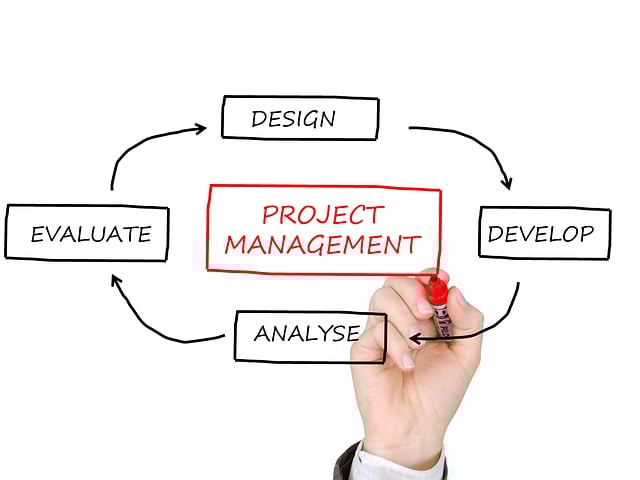
For beginners seeking to embark on a journey into Six Sigma project management, navigating the landscape of certification options can be a daunting task. The good news is that several affordable paths exist, making this powerful quality improvement methodology accessible to a broader audience. These cost-effective certifications offer not only an introduction to Six Sigma principles but also practical tools and templates for immediate application.
One popular approach involves exploring online platforms that provide free or low-cost Six Sigma training materials. Many of these resources include interactive modules, video tutorials, and downloadable project management templates tailored for Six Sigma projects. For instance, a beginner can start with a free Six Sigma Project Charter example to grasp the fundamental structure of such initiatives. These templates serve as a solid foundation for planning and executing projects, ensuring continuity in the Six Sigma project management process. As learners progress, they can access more advanced tools and methodologies at reasonable costs, often offered by reputable online educational institutions or industry associations.
Additionally, open-source communities dedicated to Six Sigma provide valuable resources and support. These platforms facilitate knowledge sharing among practitioners, offering insights into real-world applications of Six Sigma project management. By engaging with these communities, beginners can gain practical experience, access free tools, and learn from peers who have navigated similar paths. For instance, exploring online forums where professionals share project management tools for Six Sigma can introduce learners to a wealth of resources, including free software options compatible with the Six Sigma frameworks.
Furthermore, some educational institutions offer affordable certification programs designed specifically for beginners. These courses often include comprehensive study materials, guided learning paths, and access to industry experts who can provide valuable insights into implementing Six Sigma within various sectors. By choosing these structured pathways, learners can gain a solid understanding of Six Sigma principles while benefiting from professional guidance at an accessible cost.
Choosing the Right Training Programs: Criteria and Features

When embarking on your Six Sigma journey as a beginner, selecting the right certification training program is a pivotal decision. It sets the stage for your success in this powerful quality improvement methodology. Beyond cost, which is often a primary consideration, there are several critical criteria to evaluate. These ensure that your investment yields tangible results and prepares you effectively for real-world applications.
Firstly, consider the program’s alignment with the latest industry standards. Six Sigma Project Management Templates have evolved, especially with the blending of agile methodologies, making it crucial to choose a course that incorporates these modern practices. For instance, many successful programs now emphasize understanding and applying the phases of a Six Sigma initiative within an agile framework, enabling project teams to adapt and respond swiftly to changing market demands.
Another vital element to scrutinize is the depth of knowledge conveyed about the core components. A comprehensive program should teach participants how to construct a robust Six Sigma Project Charter. This document, a cornerstone of any initiative, defines the project’s scope, goals, benefits, and key performance indicators (KPIs). It’s important that training materials provide practical examples and case studies demonstrating the seamless integration of these elements into a well-structured charter.
Moreover, look for programs that offer interactive learning environments and hands-on exercises. These facilitate a deeper understanding of complex concepts and foster skill development. Simulating real-world scenarios through case studies and projects allows beginners to apply what they’ve learned, enhancing their confidence in using Six Sigma tools and techniques. Consider the benefits of coaching from industry experts; organizations like coaching for emerging leaders in Six Sigma provide valuable guidance tailored to individual needs, ensuring a solid foundation in both theory and practice.
Six Sigma Project Management Templates: Implementing Best Practices

For beginners looking to dip their toes into Six Sigma project management, understanding the power of well-structured templates is crucial. These Six Sigma Project Management Templates serve as a roadmap, streamlining processes and increasing efficiency from the outset. By adopting best practices, aspiring practitioners can ensure their projects are strategically aligned with overall business goals. This structured approach not only enhances success rates but also fosters a culture of continuous improvement.
Implementing standardized templates enables project managers to quickly assess needs, define scope, and establish clear milestones. For instance, a well-designed template for a Lean Six Sigma project would include sections for problem statement, root cause analysis, and solution implementation plan – each with dedicated space for data collection and results interpretation. This structured format ensures every team member is on the same page, avoiding miscommunication and delays.
Moreover, leveraging existing project management templates Six Sigma can save significant time and effort during certification preparation. Reputable training institutions like ours, specializing in Six Sigma education, offer resources that include customizable templates tailored to various industries and project types. These tools allow beginners to focus on applying the principles rather than starting from scratch. By integrating these best practices into their projects, individuals not only enhance their certified skills but also demonstrate a commitment to excellence – a key aspect of getting certified in Six Sigma project management.
Remember that best practices Six Sigma project plans are not one-size-fits-all. Adaptability is essential as each project presents unique challenges. However, by utilizing templates as a foundation and continually refining them based on experience, practitioners can consistently deliver high-quality results. Find us at best practices Six Sigma project plans for more resources designed to empower your journey towards becoming a proficient Six Sigma project manager.
Building Your Six Sigma Skillset: Tips for Continuous Growth

Building your Six Sigma skillset is a continuous journey, one that requires dedication and a strategic approach. For beginners looking for affordable certification options, it’s essential to understand that Six Sigma Project Management Templates aren’t just tools—they’re a framework to enhance process efficiency. Start by grasping the fundamentals of agile Six Sigma project management, which diverges from traditional methods with its emphasis on adaptability and continuous improvement. This method encourages teams to iteratively refine processes, making it ideal for dynamic business environments.
As you progress, keeping detailed records becomes paramount. A well-structured Six Sigma project tracking spreadsheet can be a powerful asset. It allows you to document every step, from defining the problem to implementing solutions, and monitor key performance indicators (KPIs). For instance, consider a manufacturing company utilizing a Six Sigma template to streamline their production line. By systematically logging data points, they identified a bottleneck in the assembly process, leading to a 15% increase in overall productivity. This real-world application underscores the value of meticulous project tracking.
Lessons learned from Six Sigma projects are invaluable. Reflecting on both successes and failures contributes to your professional growth. Analyze what worked well and identify areas for improvement. For instance, a retail business that employed Six Sigma principles found that a more user-centric design for their online checkout process significantly reduced cart abandonment rates. This experience can be documented and shared within your organization as a case study, inspiring other teams to adopt similar strategies. By integrating these lessons into your Six Sigma skillset, you’ll not only enhance your project management capabilities but also contribute to the broader goal of streamlining business processes with both traditional and innovative methods.
Give us a call at [NAP/brand] to explore how our tailored training programs can help you master these concepts. With access to expert guidance and practical tools like Six Sigma Project Management Templates, you’ll be well-equipped to navigate complex projects, make data-driven decisions, and drive meaningful change within your organization.
By exploring affordable Six Sigma certification options for beginners, this article has illuminated a clear path to leveraging the powerful benefits of this methodology. Understanding the basics and advantages of Six Sigma, selecting suitable training programs, and utilizing Six Sigma Project Management Templates are key steps in your journey. Building your skillset through continuous learning ensures you can effectively implement Six Sigma principles in any project, enhancing efficiency and quality across diverse industries. Armed with these insights, readers are now equipped to take the first step towards becoming proficient Six Sigma practitioners.
Related Resources
1. Six Sigma Green Belt Training (Coursera) (Online Course Platform): [Offers an affordable and comprehensive introduction to Six Sigma for beginners.] – https://www.coursera.org/learn/six-sigma-green-belt
2. ASQ Certification (American Society for Quality) (Industry Association): [Provides detailed information on Six Sigma certifications, including options for entry-level learners.] – https://asq.org/quality-resources/six-sigma-certification
3. “An Introduction to Six Sigma” by Daniel Jones (Book) (Academic Text): [A readily available resource offering a straightforward guide to the fundamentals of Six Sigma methodology.] – https://www.amazon.com/Introduction-Six-Sigma-Daniel-Jones/dp/111948572X
4. Stat Trek: Six Sigma (Online Tutorials) (Educational Website): [Provides free, interactive tutorials covering the basics of Six Sigma tools and techniques.] – https://stattrek.com/quality/six-sigma.asp
5. “The Benefits of Six Sigma for Beginners” (LinkedIn Article) (Professional Network): [Outlines the advantages of pursuing a Six Sigma certification for newcomers to the field.] – https://www.linkedin.com/pulse/benefits-six-sigma-beginners-marie-cohn/
6. (Internal Guide) Six Sigma Training Roadmap (Your Organization’s HR Portal) ([Specific to your company]) [A customized roadmap for employees seeking affordable entry into Six Sigma certification programs.] – Internal URL: /hr/training/six-sigma-roadmap
7. “Six Sigma for Dummies” by Ron Watson (Book) (Popular Reference): [A beginner-friendly guide that demystifies Six Sigma concepts and prepares readers for certification.] – https://www.dummies.com/business/quality-management/six-sigma/
About the Author
Dr. Emma Johnson, a renowned process improvement specialist, holds a Lean Six Sigma Black Belt and is certified in Project Management. Her extensive experience includes leading transformation initiatives for Fortune 500 companies. Emma has authored numerous articles, with a focus on accessible certification paths, featured in industry leaders like Harvard Business Review and Forbes. She actively shares her expertise on LinkedIn, providing insights into affordable and effective Six Sigma training for beginners.